Some trips are built around landmarks. Others around checklists. But in Tuscany, the most rewarding journeys tend to follow something simpler — a good glass of wine, a long lunch, and the promise of another vineyard just over the next ridge. With its slow rhythm, generous tables and golden light, Tuscany is best explored with an open palate and a little room in your suitcase.
This itinerary begins in Florence, then winds its way through the rolling hills and wine estates of the countryside. No rush. No rigid timings. Just the right kind of indulgence.
Day One: Florence and Truffle Season
Begin your trip in Florence, a city that balances Renaissance formality with earthy Tuscan soul. Autumn is a particularly special time to arrive — not just for the light and the coolness in the air, but because it’s truffle season. The scent drifts through open trattoria doors and appears on menus in everything from handmade pasta to woodfired pizza topped with shavings of local black truffle.
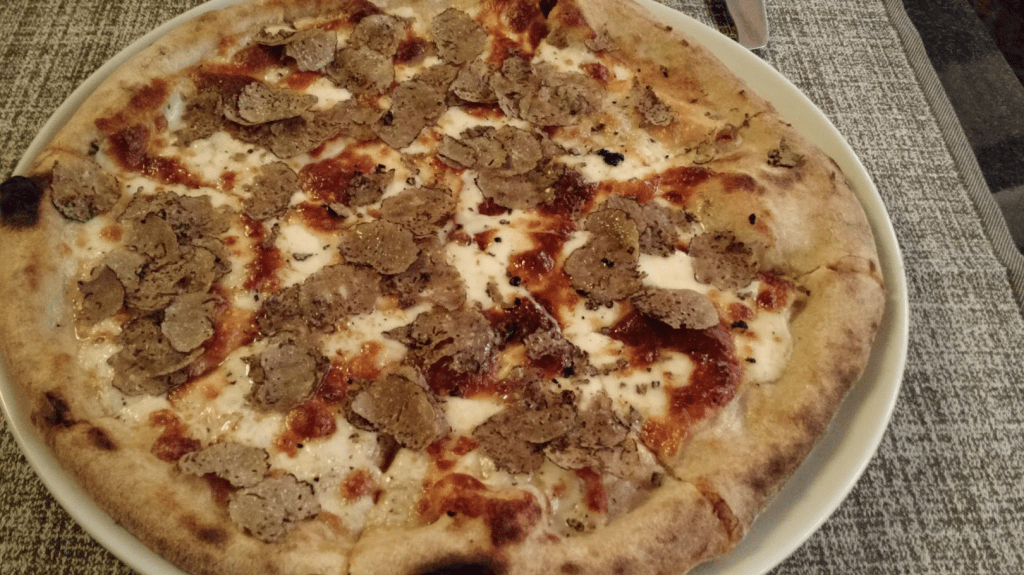
After a walk through the heart of the city — the Duomo, the cobbled side streets, the riverside at golden hour — settle into one of the more traditional osterias. You’ll find bistecca alla fiorentina carved at the table, served rare and unapologetic. Pair it with a bold Chianti or something aged and brooding from Montalcino. There is no such thing as a quiet dinner in Florence during truffle season, and nor should there be.
The city itself may be best known for art and architecture, but its wine bars are a quiet triumph. Ask for a flight of regional reds — Chianti Classico, Vino Nobile di Montepulciano, Super Tuscan blends — and let the sommelier guide you. In the right setting, it becomes less of a tasting and more of a conversation.

End the day with a walk across the Arno. Florence has a different kind of beauty at night. The crowds are gone. The stone glows. It all slows down.
Day Two: A Journey into the Vineyards
Leave the city behind and head into the Tuscan countryside, either with a private guide or a scheduled wine tour. The drive alone is worth the journey — winding roads through ochre hills, olive groves, and row upon row of vines in tight formation. Time seems to stretch out as the landscape widens.
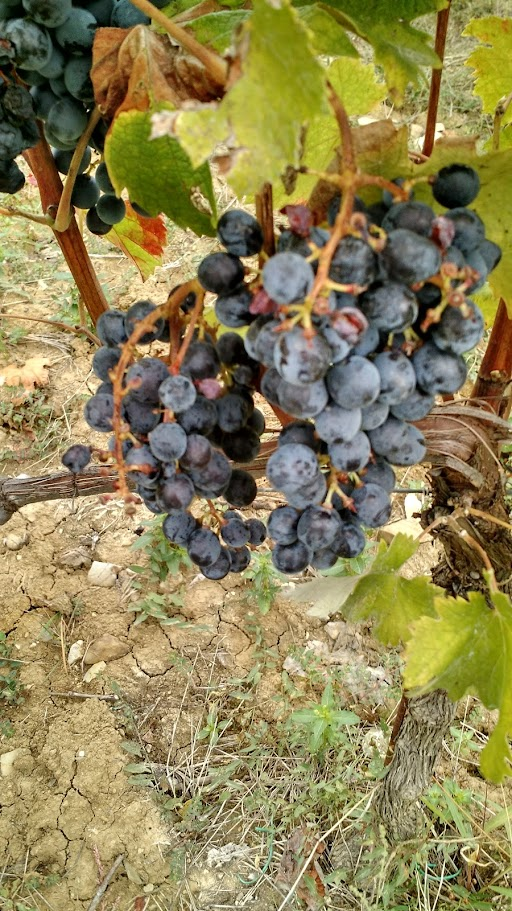
Begin in the Chianti Classico region, where Sangiovese rules and the winemaking is both rooted and ambitious. Estate visits often begin with a walk through the vineyards and end in candlelit tasting rooms, where wines are poured alongside pecorino, crusty bread, and olive oil pressed on the same land.
Continue on through hill towns like Radda or Castellina, where each winery has its own philosophy and rhythm. Some are centuries old and proudly traditional, while others lean modern, experimental, and quietly global in outlook.

Lunch is best taken at a family run agriturismo — a long wooden table on a shaded terrace, fresh pasta with wild boar ragù, and a second bottle shared with strangers who become friends by the final course.
Later in the afternoon, head towards Montalcino or Montepulciano for a final tasting. The Brunello wines here are darker, more structured, and age with quiet dignity. Many winemakers will offer a vertical tasting, allowing you to experience how the same wine evolves over years. It is a fitting way to end the day — not with spectacle, but with depth.
Return to your villa, hotel or farmhouse just in time for sunset. No need to dress up. Just a glass of something special and the sound of the countryside turning in for the night.
Final thoughts
Tuscany is not a region that hurries. Its wines, its meals and its days are all designed to be savoured. Forty eight hours will give you a glimpse — of limestone cellars, truffle shavings, amber light on stone walls — and perhaps a few bottles to take home. But more than that, it will leave you with a sense of rhythm that lingers long after the trip ends. One that speaks of simplicity done well, and time spent wisely.
 Affluent Adventure